Hormonal acne is a common skin concern that affects teenagers and adults alike. It often appears as painful pimples, deep bumps, and recurring breakouts around the chin, jawline, cheeks, and lower face. Unlike occasional pimples caused by clogged pores, hormonal acne is often connected to changes in hormone levels that influence oil production in the skin. Although it can be frustrating to manage, the right treatment can help control breakouts and improve skin health over time. 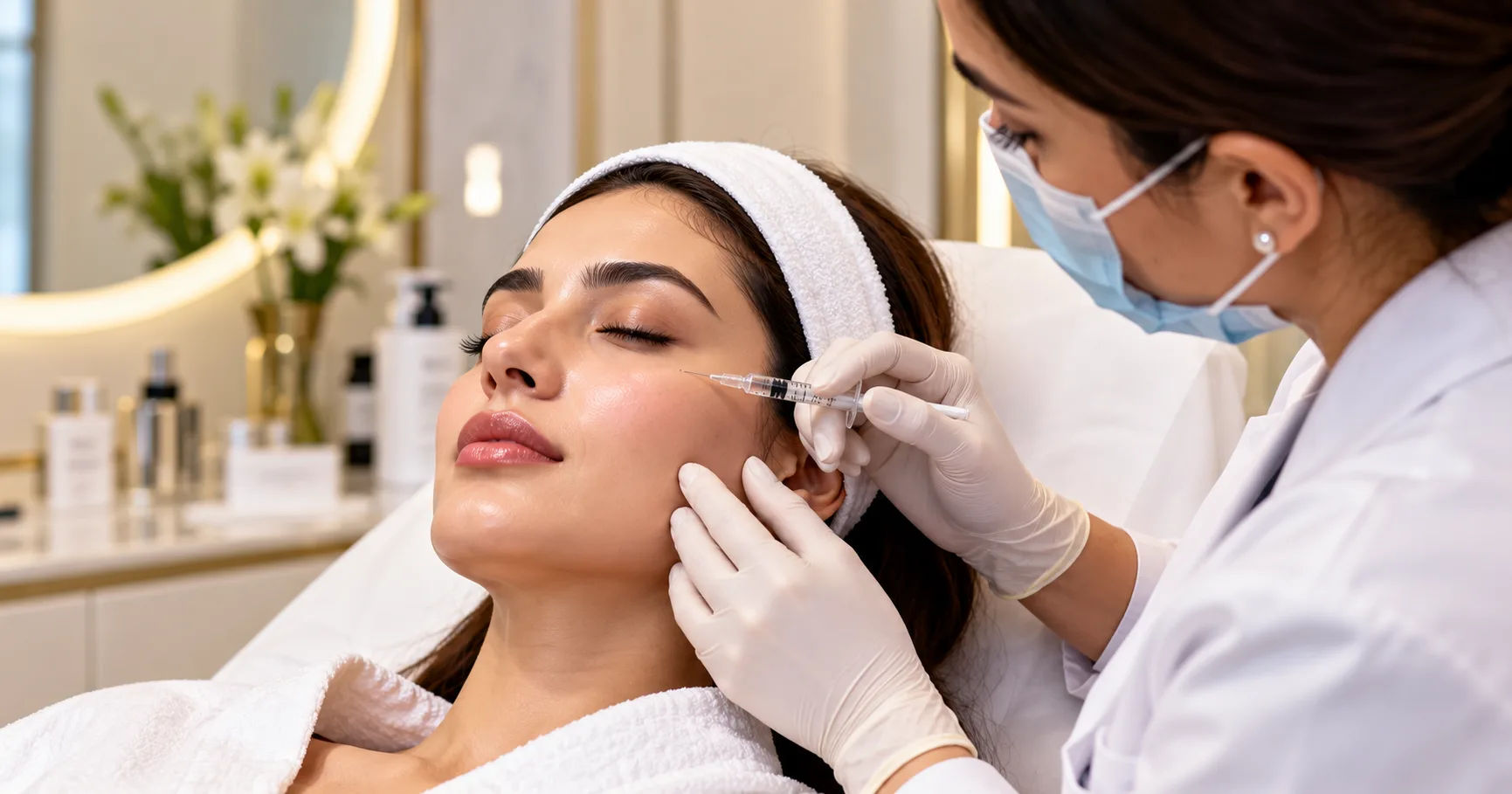 Many people try different face washes, home remedies, and over-the-counter creams before seeking professional help. However, these products may not address the underlying causes of persistent acne. Consulting a qualified dermatologist can help identify the type of acne you have and determine which treatments are most suitable for your skin.
If you are struggling with recurring breakouts, acne treatment in Karachi can offer a practical way to manage hormonal acne through professional skin assessments, prescription medications, suitable skincare routines, and lifestyle guidance. The most effective approach depends on your symptoms, medical history, age, and whether hormonal changes are contributing to your breakouts.
Understanding how hormonal acne develops and which treatments are available can help you make informed decisions. With patience, consistency, and professional guidance, many people can achieve clearer skin and reduce the frequency and severity of future breakouts.
What Is Hormonal Acne?
Hormonal acne is a type of acne influenced by changes in the body's hormones. These chemical messengers regulate several functions, including oil production, skin cell turnover, and inflammation.
When hormone levels fluctuate, the sebaceous glands may produce excess sebum, the natural oil that keeps skin moisturized. When sebum mixes with dead skin cells, it can block hair follicles and create an environment where acne-causing bacteria contribute to inflammation.
Hormonal acne may develop during puberty, menstruation, pregnancy, or other periods of hormonal change. Adults can also experience it well into their twenties, thirties, and beyond.
Common Signs of Hormonal Acne
Hormonal acne can appear differently from one person to another, but several signs are particularly common.
-
Deep, painful pimples: These may develop beneath the skin and feel tender when touched.
-
Breakouts around the jawline: Pimples often appear along the chin, lower cheeks, and jaw.
-
Recurring flare-ups: Acne may become worse at particular times of the menstrual cycle.
-
Inflamed bumps: Red, swollen pimples may take longer to heal than smaller surface blemishes.
-
Persistent adult acne: Some people continue experiencing breakouts long after their teenage years.
Not every pimple around the jawline is hormonal. A dermatologist can examine your skin and consider other possible causes, such as irritating skincare products, certain medications, or other skin conditions.
Can Acne Treatment in Karachi Help Hormonal Acne?
Yes. Professional treatment can help control hormonal acne, reduce inflammation, prevent new breakouts, and lower the risk of permanent scarring. However, results depend on the severity of the condition and whether the treatment addresses the factors contributing to it.
A dermatologist may recommend topical medications, oral treatments, hormonal therapies for eligible patients, or a combination of approaches. The goal is not simply to remove existing pimples but also to prevent new ones from forming.
Professional Skin Assessment
The first step is usually a consultation with a qualified dermatologist. During this appointment, the doctor may ask when your acne started, where it appears, whether it follows a monthly pattern, and which treatments you have already tried.
Your medical history also matters. Menstrual irregularities, certain medications, and other symptoms can sometimes provide clues about possible hormonal influences.
The dermatologist will examine your skin to determine whether the acne is mild, moderate, or severe. This assessment helps guide treatment and reduces the risk of using products that could irritate your skin.
Personalized Treatment Plans
Everyone's skin responds differently to treatment. A product that works well for one person may cause dryness or irritation in another.
A personalized treatment plan considers your skin type, acne severity, sensitivity, age, medical history, and preferences. It may combine prescription medication with gentle skincare and regular follow-up appointments.
When you seek acne treatment in Karachi, ask your dermatologist how long the proposed treatment may take to work, which side effects to expect, and when your progress should be reviewed.
What Causes Hormonal Acne?
Hormonal acne develops through several connected processes. Hormones are an important factor, but they are not the only influence on acne.
Androgens and Excess Oil Production
Androgens are hormones present in people of all sexes. They can stimulate the sebaceous glands to produce more oil.
When these glands become more active, excess sebum can contribute to clogged pores and inflammation. Even normal hormone levels may trigger acne in people whose skin is particularly sensitive to androgen activity.
This explains why some people experience persistent acne despite maintaining a careful skincare routine.
Menstrual Cycle Changes
Hormone levels naturally change throughout the menstrual cycle. Some people notice that pimples appear or become more inflamed in the days before their period.
These recurring flare-ups can be frustrating, especially when existing pimples have not completely healed before new ones develop.
Keeping a simple record of your menstrual cycle and breakouts may help your dermatologist identify patterns and choose an appropriate treatment.
Polycystic Ovary Syndrome
Polycystic ovary syndrome, commonly called PCOS, is a hormonal condition that can cause acne in some women. Other possible symptoms include irregular periods, excess facial or body hair, and scalp hair thinning.
Acne alone does not mean you have PCOS. However, persistent acne accompanied by these symptoms deserves medical evaluation.
A dermatologist may recommend consultation with a gynecologist or endocrinologist if your symptoms suggest an underlying hormonal disorder.
Stress and Lifestyle Factors
Stress does not directly explain every acne outbreak, but it may aggravate existing acne in some people. Poor sleep and habits that make it harder to follow a consistent skincare routine can also complicate acne management.
Diet may play a role for certain individuals. Research suggests that high-glycemic foods and some dairy products may be associated with acne in some people, although responses vary.
Rather than following restrictive diets, focus on balanced meals, adequate sleep, and habits that support your overall well-being.
Which Treatments Can Help Hormonal Acne?
Several evidence-based treatments can help manage hormonal acne. The right choice depends on the type of lesions, their severity, your medical history, and whether you can safely use particular medications.
Topical Retinoids
Topical retinoids, such as adapalene and tretinoin, help prevent clogged pores by regulating skin cell turnover. They can reduce new breakouts and are often used as part of long-term acne management.
These medications may cause dryness, redness, peeling, or temporary irritation, especially during the first few weeks.
A dermatologist can explain how frequently to apply them and how to introduce them gradually. Topical retinoids should generally be avoided during pregnancy or when trying to conceive unless a treating clinician provides specific guidance.
Benzoyl Peroxide
Benzoyl peroxide helps reduce acne-causing bacteria and inflammation. It is often used for inflammatory acne and may be combined with other treatments.
It can cause dryness or irritation and may bleach towels, clothing, and pillowcases.
Using an appropriate concentration and following professional instructions can help reduce these problems.
Azelaic Acid
Azelaic acid can help treat acne by reducing inflammation and supporting normal skin cell turnover. It may also improve dark marks left behind after pimples heal.
This option can be useful for people who struggle with both acne and post-inflammatory hyperpigmentation.
Although it is often well tolerated, irritation is still possible. Your dermatologist can advise whether it is suitable for your skin.
Oral Antibiotics
For moderate to severe inflammatory acne, a doctor may prescribe an oral antibiotic for a limited period.
These medicines can reduce inflammation and help control widespread breakouts. They are generally combined with appropriate topical treatments rather than used alone.
Antibiotics should be taken exactly as prescribed. Unnecessary or prolonged use can contribute to antibiotic resistance, so follow-up appointments are important.
Hormonal Medication
Some patients may benefit from treatments that reduce the effects of hormones on acne.
Combined oral contraceptive pills can help certain women by reducing androgen-related oil production. They are not suitable for everyone and require an assessment of medical history and potential risks.
Spironolactone is another prescription option that may reduce hormonally influenced acne in eligible women. It requires medical supervision because it can cause side effects and may need blood tests in certain circumstances.
Neither treatment should be started without consulting a qualified clinician. Hormonal medicines may be unsuitable for people with particular medical conditions, and some require special precautions during pregnancy.
Isotretinoin for Severe Acne
Isotretinoin is a prescription medication used for severe acne or acne that has not responded adequately to other treatments. It can substantially reduce oil production and may provide long-lasting improvement.
However, it has important risks and requires close medical supervision. It causes severe birth defects if taken during pregnancy, so strict pregnancy-prevention requirements apply to patients who can become pregnant.
A dermatologist should explain the monitoring requirements, potential side effects, and precautions before treatment begins.
What Should You Expect During Acne Treatment in Karachi?
Knowing what happens during treatment can make the process less stressful and help you develop realistic expectations.
Your Initial Consultation
Your first appointment may include a review of your symptoms, medical history, current skincare products, and previous medications.
The dermatologist may ask whether your acne worsens before menstruation, whether you have painful cysts, and whether you have noticed scarring or persistent dark spots.
If hormonal problems are suspected, additional evaluation may be recommended. Hormone tests are not necessary for every person with acne, so testing should depend on your symptoms and clinical assessment.
The First Few Weeks
Many acne treatments require consistent use before noticeable improvement occurs. During the early weeks, dryness, mild irritation, or temporary changes in breakouts may occur, depending on the medication.
Do not automatically assume that a treatment has failed after a few days. At the same time, severe irritation, swelling, or an unexpected reaction should be discussed with your clinician.
Avoid introducing several new active ingredients simultaneously because doing so makes it difficult to identify the source of irritation.
Improvement Over Several Months
Many acne treatments begin showing meaningful improvement within six to eight weeks, although some people need three months or longer to see substantial results.
Deep hormonal acne may take longer to control than occasional surface pimples. Treatment may also need adjustment if your skin does not respond as expected.
Once acne improves, maintenance treatment can help prevent recurring breakouts. Your dermatologist can explain how long to continue medication and whether the dose or routine should change.
How Can You Care for Acne-Prone Skin at Home?
Professional treatment works best when supported by a gentle, consistent skincare routine.
Cleanse Without Overwashing
Wash your face twice daily with a mild cleanser and lukewarm water. Cleanse after heavy sweating, particularly if you have been outdoors or exercising.
Avoid harsh scrubs, abrasive brushes, and frequent washing. These habits can damage the skin barrier and worsen irritation.
Use a Non-Comedogenic Moisturizer
Moisturizer is important even if your skin feels oily. Acne treatments can cause dryness, and a suitable moisturizer helps support the skin barrier.
Look for products labeled non-comedogenic, which means they are formulated to be less likely to block pores.
Choose a lightweight product that feels comfortable on your skin rather than skipping moisturizer altogether.
Apply Sunscreen Every Day
Sun exposure can worsen the appearance of post-acne dark marks. Some acne treatments also make skin more sensitive to irritation.
Use broad-spectrum sunscreen with SPF 30 or higher during the day. Reapply it as directed, especially when spending extended periods outdoors.
This is particularly important in Karachi, where bright sunlight and hot weather can make sun protection a regular skincare priority.
Avoid Picking or Squeezing Pimples
Picking at acne can increase inflammation, delay healing, and raise the risk of scarring and dark marks.
Deep, painful pimples are especially tempting to squeeze, but doing so can make the problem worse.
If a lesion is painful or persistent, ask your dermatologist about suitable treatment instead of trying to remove it yourself.
Can Diet and Lifestyle Improve Hormonal Acne?
Lifestyle changes may support treatment, although they rarely replace medication when acne is persistent or severe.
Follow a Balanced Diet
Choose a varied diet that includes vegetables, fruit, whole grains, protein sources, and healthy fats.
Some research links high-glycemic diets with increased acne in certain individuals. If you notice that particular foods repeatedly coincide with flare-ups, discuss your observations with your healthcare professional.
Avoid eliminating entire food groups without a clear reason. Restrictive diets may create nutritional problems and are not necessary for most people with acne.
Manage Stress and Sleep
Stress management may help some people reduce acne flare-ups and maintain a consistent skincare routine.
Consider regular physical activity, relaxation exercises, and a sleep schedule that allows adequate rest.
These habits support general health, but they should not be treated as a guaranteed cure for hormonal acne.
Keep Hair and Skincare Products Away From Pores
Heavy hair oils, greasy cosmetics, and certain styling products may contribute to clogged pores in susceptible individuals.
Choose products that are suitable for acne-prone skin and remove makeup before sleeping.
If breakouts develop around your hairline, review your hair products with your dermatologist.
How to Choose a Dermatologist in Karachi
Choosing an appropriately qualified professional is an important part of managing persistent acne.
Look for a dermatologist with recognized medical qualifications and experience treating acne in teenagers and adults. A suitable clinician should explain the diagnosis, discuss treatment alternatives, and provide clear instructions about medication use.
You should also feel comfortable asking questions about costs, side effects, expected results, and follow-up appointments.
When comparing acne treatment in Karachi, be cautious about clinics that promise perfectly clear skin within a few days or guarantee permanent results from a single procedure.
Acne often requires a combination of treatments and ongoing care. The most suitable provider is one who explains realistic outcomes rather than promising an immediate cure.
Questions to Ask Before Starting Treatment
Consider asking the following questions during your appointment:
-
What type of acne do I have, and is a hormonal cause likely?
-
Which treatment is most suitable for my skin and medical history?
-
How long should I wait before assessing the results?
-
What side effects should I watch for?
-
Will I need follow-up appointments or maintenance medication?
-
Should I be evaluated for an underlying hormonal condition?
These questions can help you understand your treatment plan and participate more confidently in decisions about your skin health.
When Should You Seek Medical Help?
You should consider professional assessment if acne keeps returning, becomes painful, or does not improve with appropriate over-the-counter products.
Seek help promptly if you develop deep nodules, cysts, rapidly worsening breakouts, or signs of permanent scarring. Early treatment can reduce the likelihood of lasting skin damage.
Women who experience acne alongside irregular periods, excess facial hair, or scalp hair thinning should discuss these symptoms with a clinician because an underlying hormonal condition may need evaluation.
You should also seek medical advice if acne is affecting your confidence, social activities, or emotional well-being. The impact of acne is not limited to physical symptoms, and support is available.
Sudden severe acne accompanied by other significant symptoms deserves timely medical assessment rather than repeated experimentation with skincare products.
Conclusion
Hormonal acne can be frustrating because breakouts may return even when you follow a careful skincare routine. However, it is a manageable condition, and many people achieve meaningful improvement with the right combination of medical treatment, gentle skincare, and consistent follow-up.
Professional acne treatment in Karachi can help identify the factors contributing to your breakouts and provide a personalized plan. Depending on your needs, treatment may include topical retinoids, benzoyl peroxide, azelaic acid, oral medication, or hormonal therapy prescribed by a qualified clinician. Severe cases may require more intensive treatment under close medical supervision.
It is important to remember that results take time. Most treatments need several weeks to begin working, and deeper or more persistent acne may require months of care. Avoid changing products too frequently, squeezing pimples, or relying on unproven remedies that could irritate your skin.
A balanced lifestyle, appropriate sunscreen, gentle cleansing, and non-comedogenic moisturizer can support your treatment. If you have irregular periods or other symptoms of a hormonal disorder, further medical evaluation may also be beneficial.
Ultimately, the best approach is to seek professional advice, understand your options, and follow a plan designed for your individual needs. With realistic expectations and consistent care, you can reduce hormonal breakouts, protect your skin from scarring, and work toward healthier-looking skin.