Memory loss is a common concern among older adults and their families. Forgetting names, misplacing personal belongings, repeating questions, or struggling to remember daily activities can create stress and uncertainty. While some memory changes are associated with normal ageing, others may indicate conditions such as dementia or Alzheimer's disease. Providing the right support can make everyday life safer, more comfortable, and less stressful for older individuals.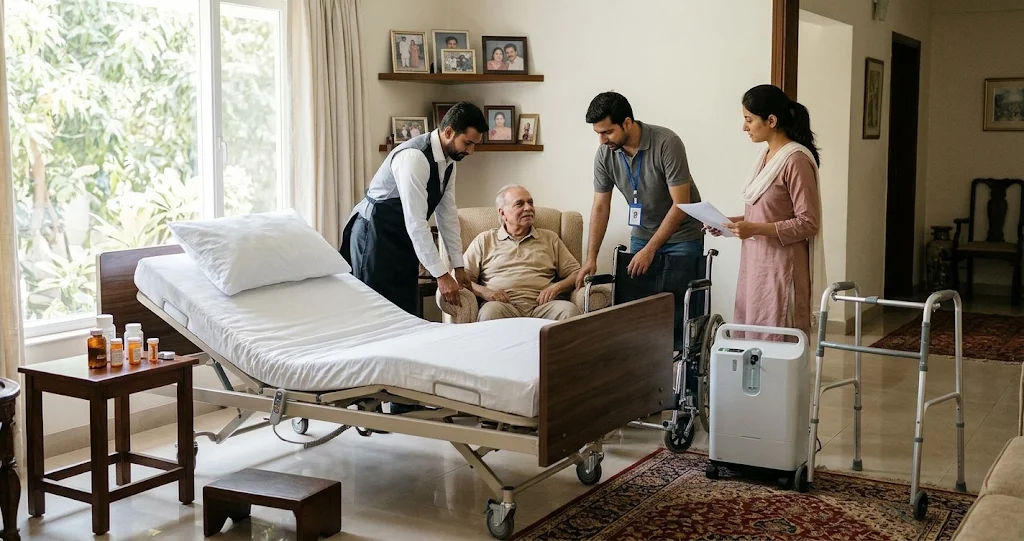
Families often find it challenging to manage memory-related difficulties while balancing work, household responsibilities, and other commitments. Professional Elderly Care at Home can offer valuable assistance by providing personalised attention, daily supervision, emotional support, and structured routines. Familiar surroundings can also help older adults feel more secure and confident.
The benefits extend beyond basic assistance. A suitable care arrangement can encourage mental stimulation, support independence, reduce confusion, and help families recognise changes in an older person's condition. Although home care cannot cure memory loss, it can improve daily living and provide meaningful support for individuals experiencing cognitive difficulties.
Understanding how home-based care works, what services are available, and how caregivers can support memory-related challenges helps families make informed decisions.
Memory Loss in Older Adults
Memory loss refers to difficulty remembering information, experiences, conversations, or everyday activities. It can develop gradually or appear suddenly, depending on the underlying cause.
Some older adults experience mild forgetfulness without losing their ability to manage daily responsibilities. Others may develop more serious cognitive difficulties that affect communication, decision-making, personal safety, and independence.
Normal Age-Related Memory Changes
Ageing can naturally affect how quickly the brain processes and retrieves information. An older person might occasionally forget where they placed their glasses or need more time to remember someone's name.
These changes do not necessarily indicate a serious medical condition.
Common age-related changes include:
-
Occasionally forgetting names or appointments.
-
Taking longer to learn unfamiliar information.
-
Misplacing household objects.
-
Needing reminders for certain activities.
-
Finding it difficult to remember several instructions simultaneously.
Although these experiences can be frustrating, many older adults continue living independently with occasional assistance.
Memory Loss Associated with Dementia
Dementia is a general term for conditions that affect memory, thinking, communication, and everyday functioning.
Alzheimer's disease is one of the most recognised causes. Other conditions, including vascular dementia and Lewy body dementia, can also affect cognitive abilities.
Possible warning signs include:
-
Repeatedly asking the same questions.
-
Forgetting familiar routes or locations.
-
Struggling to recognise familiar people.
-
Having difficulty following conversations.
-
Experiencing confusion about dates and times.
-
Finding it difficult to complete familiar household tasks.
-
Showing unexpected changes in personality or behaviour.
These symptoms should be assessed by a qualified healthcare professional.
How Elderly Care at Home Supports People Experiencing Memory Loss
Elderly Care at Home care can provide practical and emotional assistance to older adults experiencing different levels of memory difficulty.
Rather than requiring an individual to adjust to an unfamiliar environment, caregivers provide support within familiar surroundings. This can make daily activities easier to manage and reduce unnecessary disruption.
Providing Consistent Daily Routines
Consistency is particularly important for people experiencing memory problems.
When everyday activities happen at predictable times, older adults may find it easier to understand what comes next. Regular routines can also reduce uncertainty and frustration.
A caregiver can help establish a daily schedule that includes:
-
Waking up at a consistent time.
-
Maintaining regular meal schedules.
-
Following prescribed medication routines.
-
Participating in suitable physical activities.
-
Taking afternoon rest periods.
-
Enjoying familiar hobbies.
-
Preparing for bedtime at a regular hour.
For example, an older adult who regularly becomes confused about lunchtime may benefit from having meals served at the same time each day.
Simple routines create familiarity and provide structure without placing unnecessary pressure on the individual.
Offering Personalised Attention
Memory loss affects people differently. One individual might forget recent conversations, while another may struggle with recognising familiar places or completing personal care activities.
Professional caregivers can adjust their approach according to the person's abilities, preferences, and changing needs.
Personalised assistance may include helping with dressing, bathing, grooming, eating, walking, and other everyday responsibilities.
This individual attention also allows caregivers to identify situations that cause confusion or discomfort.
Instead of treating every memory-related challenge in the same way, they can develop practical approaches that respect the older person's dignity.
Encouraging Independence
Supporting someone with memory loss does not mean taking control of every activity.
Maintaining independence is important for confidence, self-respect, and emotional well-being.
Caregivers can encourage older adults to perform tasks they can still manage safely.
For example, an individual may be able to choose their clothes, brush their hair, arrange personal belongings, or participate in preparing a simple meal.
The caregiver can provide reminders or assistance when necessary.
This balanced approach prevents unnecessary dependence while ensuring that appropriate support remains available.
Can Home Care Improve Memory and Mental Stimulation?
Home care can support mental engagement through regular activities that encourage thinking, communication, and interaction.
Although these activities cannot guarantee improved memory or reverse dementia, they can help older adults remain engaged with their surroundings.
Encouraging Reading and Storytelling
Reading familiar books, newspapers, or short stories can provide enjoyable mental stimulation.
Caregivers can select materials that match the individual's interests and reading abilities.
Storytelling is another useful activity. Older adults may enjoy discussing childhood experiences, family celebrations, previous jobs, or memorable holidays.
Looking through old photographs can also encourage conversation.
These activities provide opportunities for meaningful interaction while helping individuals maintain connections with important experiences.
Using Puzzles and Simple Games
Puzzles and games can encourage attention, problem-solving, and concentration.
Suitable activities may include:
-
Simple jigsaw puzzles.
-
Matching cards.
-
Word searches.
-
Picture identification games.
-
Basic number activities.
-
Familiar board games.
-
Sorting objects by colour or shape.
The difficulty level should match the individual's abilities.
Activities should remain enjoyable rather than becoming tests of memory. If an older adult becomes frustrated, caregivers should offer encouragement or choose something simpler.
Supporting Music and Creative Activities
Music can be a valuable part of memory-related care.
Listening to familiar songs may encourage emotional expression, relaxation, and conversation. Some older adults remember lyrics or melodies even when other memories become difficult to access.
Creative activities can also provide enjoyment.
Painting, colouring, knitting, gardening, and simple craft projects allow individuals to remain occupied and express themselves.
The main purpose is to encourage participation and enjoyment rather than achieving a particular result.
Helping Older Adults Manage Everyday Challenges
Memory difficulties can make ordinary household activities increasingly complicated.
Caregivers can reduce these challenges by providing reminders, practical assistance, and a supportive environment.
Medication Reminders and Daily Health Management
Some older adults forget whether they have taken their medication or struggle to remember the correct schedule.
This can create health risks, particularly when several medicines are prescribed.
A caregiver can help by following the medication instructions provided by healthcare professionals.
Support may include:
-
Providing reminders at scheduled times.
-
Checking medication records.
-
Observing whether doses have been taken.
-
Reporting missed doses or unusual reactions.
-
Helping arrange medical appointments.
Medication should never be changed, increased, or discontinued without appropriate medical advice.
For individuals who need more advanced medication assistance, families should arrange support from a qualified healthcare professional.
Assistance with Meals and Hydration
Older adults experiencing memory loss may forget to eat, skip meals, or fail to drink enough water.
Caregivers can help maintain regular eating habits by preparing familiar meals and providing reminders throughout the day.
A balanced diet should include appropriate amounts of vegetables, fruits, whole grains, protein, and other nutrients based on individual health requirements.
Caregivers can also observe changes in appetite, swallowing difficulties, or unexplained weight loss.
These changes should be discussed with a healthcare professional.
Helping with Personal Hygiene
Some individuals with memory loss forget personal hygiene routines or become confused when performing familiar activities.
A caregiver can provide gentle reminders and practical assistance with bathing, dressing, oral hygiene, and grooming.
Privacy and dignity should remain priorities.
Rather than rushing through personal care, caregivers should explain each step using simple language.
Allowing the individual to participate wherever possible can make these activities more comfortable.
Creating a Safe Home Environment for People with Memory Loss
Safety becomes increasingly important when an older adult experiences confusion or forgetfulness.
A familiar home environment can be made more supportive through simple adjustments.
Reducing Household Hazards
Caregivers and family members should regularly check the home for potential dangers.
Useful improvements include:
-
Removing loose rugs and unnecessary obstacles.
-
Keeping hallways and frequently used rooms well-lit.
-
Installing grab bars in suitable bathroom locations.
-
Securing electrical cables.
-
Keeping cleaning products away from vulnerable individuals.
-
Ensuring frequently used items are easy to reach.
-
Maintaining clear walking paths.
These changes can reduce the risk of falls and household accidents.
Using Labels and Visual Reminders
Labels and signs can help older adults recognise familiar spaces and household objects.
For example, families can label bedroom doors, bathrooms, kitchen cupboards, and storage areas.
Pictures may be particularly helpful for individuals who struggle to read.
A visible calendar or large clock can also provide useful reminders about the date, time, and daily schedule.
However, visual reminders should be simple and easy to understand. Too many signs can create confusion.
Preventing Wandering and Getting Lost
Some individuals with dementia may leave home unexpectedly or become disoriented in familiar neighbourhoods.
This can create serious safety concerns.
Families can consider suitable safety measures, such as door alerts, identification information, supervised outdoor activities, and appropriate monitoring arrangements.
Caregivers should understand the individual's walking habits and recognise situations that may increase the likelihood of wandering.
The aim is to protect personal safety while preserving freedom and dignity as much as reasonably possible.
Providing Emotional Support and Reducing Anxiety
Memory loss can affect emotional well-being as much as cognitive functioning.
Older adults may feel embarrassed, frustrated, frightened, or isolated when they struggle to remember familiar information.
A patient and understanding caregiver can make a meaningful difference.
Practising Patient Communication
Communication should be calm, respectful, and straightforward.
Caregivers should avoid speaking too quickly or providing several instructions at once.
Helpful communication techniques include:
-
Using short and clear sentences.
-
Maintaining comfortable eye contact.
-
Giving enough time for responses.
-
Asking simple questions.
-
Offering gentle reminders.
-
Avoiding unnecessary corrections.
-
Using a reassuring tone.
If an older person repeats a question, the caregiver should respond patiently instead of showing irritation.
Arguing about forgotten information can increase distress without improving memory.
Reducing Loneliness and Social Isolation
Older adults with memory difficulties may gradually withdraw from social activities.
They might avoid conversations because they fear forgetting names or losing track of discussions.
Regular companionship can help reduce isolation.
Caregivers can encourage family visits, telephone conversations, outdoor activities, and suitable community interactions.
Even simple activities, such as sharing tea or discussing familiar subjects, can provide meaningful companionship.
Managing Confusion and Difficult Behaviour
Some individuals experiencing dementia may become restless, suspicious, irritated, or upset.
These behaviours can have different causes, including pain, tiredness, hunger, unfamiliar surroundings, or difficulty communicating.
Caregivers should observe what happens before and during these situations.
For example, if an older adult becomes anxious in a noisy room, moving to a quieter area may help.
If behavioural changes appear suddenly or become severe, medical assessment is important because infections, medication effects, and other health problems can cause acute confusion.
How Families Can Work with Professional Caregivers
Successful home care requires communication between family members, caregivers, and healthcare professionals.
Families understand the older person's background, preferences, habits, and personality. Caregivers can use this information to provide more consistent assistance.
Sharing Medical and Personal Information
Before care begins, families should explain the individual's needs and daily routines.
Important information includes:
-
Existing medical conditions.
-
Prescribed medications.
-
Known allergies.
-
Eating preferences.
-
Sleeping habits.
-
Mobility limitations.
-
Communication difficulties.
-
Previous experiences with memory problems.
Sharing this information helps caregivers understand what support is appropriate.
Monitoring Changes in Memory and Behaviour
Memory loss can progress over time, making regular observation important.
Caregivers can maintain notes about changes in communication, appetite, sleep, mood, mobility, and daily functioning.
Families should discuss significant changes with healthcare professionals.
Keeping accurate observations can help medical teams understand how the individual's condition is developing.
Maintaining Regular Family Communication
Family members should remain involved in care decisions.
Regular discussions can help identify problems, review daily routines, and adjust support arrangements.
For example, if an older adult begins experiencing more difficulty with bathing or dressing, the family may need to arrange additional assistance.
Open communication also helps caregivers understand changing expectations and responsibilities.
Choosing the Right Elderly Care at Home Service
Selecting an appropriate care provider is an important decision, particularly when an older adult experiences memory loss.
Families should consider the level of assistance required and the experience of available caregivers.
Check Caregiver Training and Experience
Memory-related conditions require patience, understanding, and suitable caregiving skills.
Families should ask whether caregivers have experience supporting individuals with dementia or other cognitive difficulties.
It is also useful to understand their training in personal care, fall prevention, emergency response, and communication techniques.
For complex medical needs, qualified healthcare professionals may be required.
Understand the Available Services
Not every care arrangement provides the same level of support.
Some providers offer companionship and assistance with daily activities, while others arrange nursing care and additional healthcare services.
Families should confirm exactly what is included.
They should also ask whether care can be adjusted as memory-related needs change.
Consider Flexible Care Arrangements
Different families require different schedules.
Some older adults need only a few hours of assistance each day, while others require longer supervision or continuous support.
The care arrangement should reflect the individual's safety, independence, and personal requirements.
Families should also discuss caregiver replacement procedures, emergency arrangements, and communication policies before making a decision.
Common Mistakes to Avoid When Supporting Memory Loss
Even well-intentioned family members can make mistakes when caring for an older adult with cognitive difficulties.
Understanding these challenges can help create a more positive experience.
Expecting Memory to Improve Immediately
Mental activities and consistent routines can support engagement, but they do not guarantee memory recovery.
Families should establish realistic expectations and focus on comfort, safety, and quality of life.
Correcting Every Forgotten Detail
Constantly reminding someone that they are wrong can cause embarrassment and frustration.
In many situations, responding calmly and redirecting the conversation is more helpful.
Caregivers should prioritise emotional comfort instead of winning arguments about forgotten information.
Removing Too Much Independence
Taking over every household activity may reduce an older person's confidence.
Individuals should be encouraged to complete tasks they can safely manage.
Assistance should increase according to actual needs rather than assumptions about age or memory ability.
Ignoring Sudden Changes
Sudden confusion should never automatically be considered a normal part of ageing or dementia.
It may indicate an infection, medication reaction, dehydration, stroke, or another medical problem.
Sudden confusion requires prompt medical assessment. If it occurs alongside stroke symptoms, severe breathing difficulties, or reduced consciousness, emergency assistance is necessary.
When Should Families Seek Medical Advice?
Home-based support is valuable, but it cannot replace medical diagnosis and treatment.
Families should arrange a medical assessment when memory problems begin affecting everyday activities or become progressively worse.
A healthcare professional may review medications, medical history, sleep, mood, nutritional status, and other possible causes.
Some memory-related symptoms can be associated with treatable conditions, including vitamin deficiencies, thyroid problems, depression, and certain infections.
Early assessment helps identify possible causes and determine appropriate treatment or support.
Caregivers should also follow medical recommendations and report any significant changes in the older person's condition.
Conclusion
Memory loss can create significant challenges for older adults and their families, but appropriate support can make everyday life more manageable. Although home care cannot cure dementia or restore lost memories, it can provide practical assistance, emotional reassurance, mental stimulation, and a safer living environment.
Elderly Care at Home offers several advantages for individuals experiencing memory difficulties. Familiar surroundings, predictable routines, personalised attention, and consistent companionship can help reduce confusion and support independence. Caregivers can also assist with medication reminders, meals, personal hygiene, mobility, and other daily responsibilities.
Mental stimulation through reading, music, storytelling, puzzles, and creative activities can encourage engagement and provide enjoyable experiences. Equally important is emotional support. Patient communication and meaningful companionship can help older adults feel respected, understood, and less isolated.
Families should remember that every person's experience with memory loss is different. Care arrangements must reflect individual abilities, medical needs, personal preferences, and safety requirements. Working closely with trained caregivers and healthcare professionals helps ensure that support remains appropriate as circumstances change.
Choosing a suitable home care service is therefore not simply about arranging assistance with everyday tasks. It is about creating an environment where older adults can maintain dignity, experience companionship, and enjoy the highest possible quality of life.
With thoughtful planning, professional guidance, and consistent family involvement, home-based care can become an important source of comfort and stability for people living with memory loss.