Learning the Quran from an early age can help children develop a meaningful connection with their faith, understand Islamic values, and build positive learning habits. However, parents often wonder whether children who have never studied the Quran can start learning successfully. The good news is that children do not need previous knowledge of Arabic or Quranic recitation to begin. With suitable teaching methods, patient guidance, and regular practice, beginners can gradually develop their skills.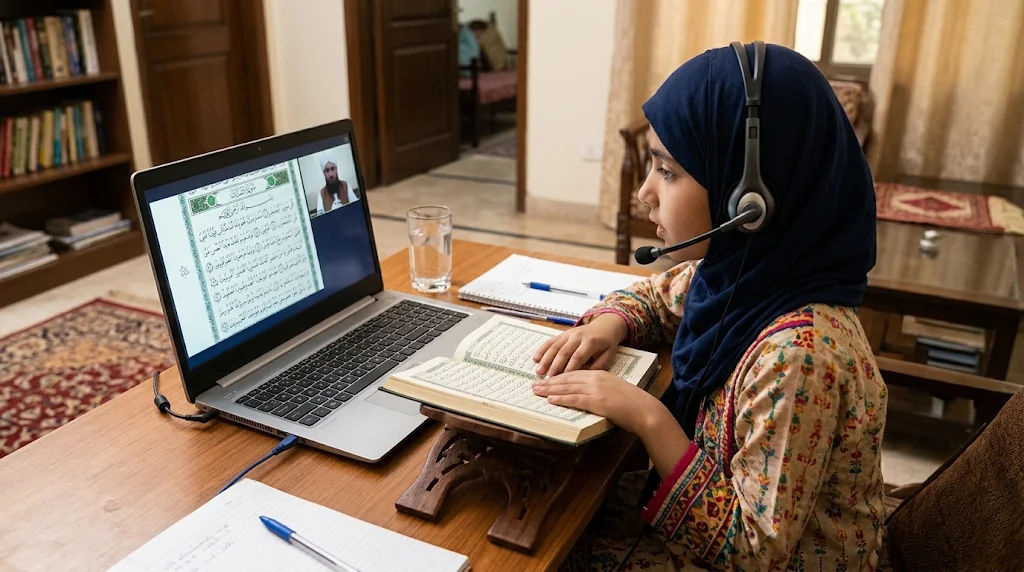
For Muslim families living in Denmark, finding an appropriate Islamic learning environment is an important part of supporting children's religious education. quran lessons for kids in denmark can provide a helpful starting point for children who want to learn Arabic letters, recognize Quranic words, improve pronunciation, and understand basic Islamic teachings. These lessons can be designed for different ages and learning abilities, making Quran education accessible even to children who are complete beginners.
Whether a child attends an online class or learns through a local Islamic educational programme, the most important factors are qualified teachers, an age-appropriate curriculum, and a comfortable learning atmosphere. Parents can help children develop confidence by encouraging small achievements and maintaining a consistent learning routine.
Why Should Children Start Learning the Quran as Beginners?
quran lessons for kids in denmark education during childhood gives children an opportunity to become familiar with Islamic teachings gradually. Young learners can develop reading and pronunciation skills through simple lessons before progressing to more advanced topics.
Beginners should not feel pressured to read complete Quranic chapters immediately. Learning is a gradual process, and every child develops at a different speed.
Developing a Connection with the Quran
The Quran is central to Islamic faith and provides guidance about everyday life, personal responsibilities, kindness, patience, and good character.
When children become familiar with Quranic recitation, they can develop a stronger appreciation of their religion. Even learning a few Arabic letters or short surahs can become a meaningful achievement.
Teachers can introduce simple explanations of Quranic teachings using language that children understand. This makes religious education more engaging and helps learners connect what they study with their everyday experiences.
Building Strong Learning Habits
Regular Quran lessons can encourage children to develop discipline and responsibility.
A consistent learning routine helps children understand the importance of practice. They gradually learn to concentrate, follow instructions, remember information, and complete small learning activities.
These skills can also support their general education.
Learning Islamic Values
Quran education is not limited to reading Arabic words. It can also introduce children to important Islamic values.
Teachers may discuss honesty, respect for parents, kindness towards others, helping people, and showing gratitude.
These lessons help children understand that religious education also involves developing positive behaviour.
Are Quran Lessons for Kids in Denmark Suitable for Complete Beginners?
Yes. Beginner-friendly Quran education is suitable for children who have never studied Arabic or received formal Islamic instruction.
Children do not need to know the Arabic alphabet before joining a beginner class. A well-organized programme introduces the necessary concepts step by step.
No Previous Arabic Knowledge Is Required
Many children growing up in Denmark speak Danish as their first language. Some may also speak English or another language at home.
This does not prevent them from learning Quranic Arabic.
Beginner teachers usually introduce Arabic letters individually. Children learn their names, shapes, and sounds before moving towards combining letters into words.
Visual materials, repetition, and pronunciation exercises can make this process easier.
Lessons Can Match Different Learning Levels
Not every child begins at the same level.
Some children may already recognize a few Arabic letters because they have learned from their parents. Others may be completely unfamiliar with the language.
A suitable programme should identify each learner's current abilities before deciding what to teach.
For example:
-
Complete beginners start with Arabic letters.
-
Developing readers practise joining letters.
-
Intermediate learners work on Quranic words and short passages.
-
More advanced learners improve fluency and Tajweed.
This approach prevents children from feeling overwhelmed by lessons that are too difficult.
What Do Children Learn in Beginner Quran Classes?
A good beginner programme follows a structured curriculum. It introduces basic reading skills before gradually developing recitation and understanding.
Learning the Arabic Alphabet
The Arabic alphabet is usually the first major topic.
Children learn to recognize individual letters and understand how they sound. Teachers may introduce a few letters at a time instead of presenting the entire alphabet in one lesson.
Pictures, flashcards, colourful worksheets, and pronunciation activities can make learning more enjoyable.
Children also learn that some Arabic letters have similar shapes but different sounds.
This distinction is important because accurate letter recognition supports correct Quranic reading.
Understanding Arabic Vowels
After becoming familiar with the alphabet, children begin learning basic Arabic vowel marks.
These include:
-
Fatha
-
Kasra
-
Damma
-
Sukoon
-
Shaddah
Teachers explain how these marks affect pronunciation.
For example, children learn how a letter sounds when it has a fatha compared with a kasra or damma.
Repeated practice helps them recognize these patterns while reading simple Arabic combinations.
Joining Arabic Letters
Arabic letters can change their appearance depending on their position within a word.
Beginners therefore need to understand how letters connect.
Teachers introduce simple combinations before moving towards longer words.
This stage helps children move from recognizing separate letters to reading complete Quranic words.
Reading Short Quranic Surahs
Once children develop basic reading skills, they can begin practising short surahs.
Common beginner selections include Surah Al-Fatihah, Surah Al-Ikhlas, Surah Al-Falaq, and Surah An-Nas.
Teachers may divide each surah into smaller sections.
Children listen to the correct recitation, repeat the words, and gradually practise reading independently.
The purpose is to develop accuracy and confidence rather than rushing through the material.
How Does Tajweed Help Beginner Students?
Tajweed refers to the rules that guide the correct pronunciation and recitation of the Quran.
Although advanced Tajweed can take time to master, children can begin learning basic pronunciation principles early in their education.
Understanding Correct Pronunciation
Arabic contains sounds that may not exist in Danish or other European languages.
For this reason, children benefit from listening carefully to qualified teachers.
Teachers can demonstrate how individual letters should sound and allow students to repeat them.
Correct pronunciation from the beginning can prevent misunderstandings and help children develop better reading habits.
Learning Basic Tajweed Rules
Beginners can gradually become familiar with simple Tajweed concepts.
These may include:
-
Recognizing letters with similar sounds.
-
Understanding basic rules of elongation.
-
Learning where to pause while reciting.
-
Recognizing certain nasal sounds.
-
Practising clear pronunciation.
Teachers should introduce these topics according to the child's ability.
It is better to understand a few rules properly than to memorize many rules without knowing how to apply them.
Practising Through Listening
Listening is an important part of Quran education.
Children can listen to their teacher recite a short passage and then repeat it.
This method helps them become familiar with correct pronunciation, rhythm, and pauses.
Parents can also encourage regular listening at home using suitable Quran recitations.
Are Online Quran Lessons Suitable for Children Living in Denmark?
Online education can be a practical option for families who want their children to receive Quran instruction from home.
It allows children to connect with teachers without needing to travel to a physical classroom.
However, the quality of teaching matters more than the learning format.
Flexible Learning Schedules
Children in Denmark usually have school responsibilities, homework, recreational activities, and family commitments.
Online Quran classes can offer flexible scheduling around these activities.
Parents can choose lesson times that do not interfere with schoolwork or sufficient rest.
A manageable schedule makes it easier for children to remain consistent.
Individual Attention from Teachers
One-to-one online lessons can provide opportunities for individual attention.
Teachers can identify pronunciation difficulties, correct reading mistakes, and adjust the pace according to the student's progress.
Small group classes can also be beneficial because children may enjoy learning alongside other students.
Parents should consider which environment best supports their child's confidence and concentration.
Learning from Home
Studying from home can provide a familiar and comfortable environment.
Children can use a computer, tablet, or suitable learning device to attend lessons.
A quiet learning space helps reduce distractions.
Parents should also ensure that the child receives appropriate supervision and that online communication takes place through safe, trusted educational arrangements.
How Can Parents Choose the Right Quran Teacher in Denmark?
Selecting an appropriate teacher is one of the most important decisions parents make when arranging Quran education.
A qualified teacher should understand Quranic recitation and know how to communicate effectively with young learners.
Check the Teacher's Quranic Knowledge
Parents should ask about the teacher's Quran education, recitation experience, and familiarity with Tajweed.
A teacher who understands the subject can explain difficult concepts accurately.
It is also helpful to ask whether the teacher has experience teaching children who are complete beginners.
Look for Child-Friendly Teaching Methods
Teaching children requires patience and clear communication.
An effective teacher uses simple explanations, repetition, examples, and positive encouragement.
Children should feel comfortable asking questions whenever they do not understand something.
A teacher should never make a beginner feel embarrassed about pronunciation mistakes or slow progress.
Consider Language Requirements
Language can make a significant difference in a child's learning experience.
Families in Denmark may prefer instruction in English, Danish, Urdu, or another familiar language.
Parents should check whether the teacher can communicate in a language the child understands.
Clear communication helps children follow instructions and understand the purpose of each activity.
Ask About Progress Monitoring
A structured programme should include regular assessments.
Teachers can evaluate letter recognition, reading fluency, pronunciation, memorization, and understanding.
Progress reports help parents identify improvements and understand which areas need additional practice.
How Long Does It Take for Beginners to Learn the Quran?
There is no fixed period in which every child becomes a confident Quran reader.
Learning speed depends on several factors, including age, concentration, previous exposure to Arabic, lesson frequency, and practice habits.
Some children recognize letters quickly, while others need additional repetition.
The Importance of Consistent Practice
Regular practice is generally more helpful than occasional long study sessions.
A child who practises for a short period regularly may develop stronger learning habits than someone who studies only once in a while.
Parents can encourage children to revise previously learned letters and words between lessons.
Practice should remain manageable and enjoyable.
Progress Through Different Learning Stages
A beginner's journey may involve several stages.
First stage: Arabic recognition
Children learn the alphabet and basic letter sounds.
Second stage: Reading foundations
They practise vowel marks and joining letters to form words.
Third stage: Quranic reading
They begin reading short Quranic passages with teacher guidance.
Fourth stage: Recitation improvement
They develop fluency, pronunciation, and introductory Tajweed skills.
Fifth stage: Continued learning
They progress towards longer passages, memorization, and deeper understanding.
These stages are flexible. Children may need more time in one area before moving to another.
What Is the Best Age to Start Quran Lessons?
Children can begin learning basic Quranic concepts when they show interest and are ready to participate in simple educational activities.
There is no single perfect starting age.
Quran Education for Younger Children
Younger learners often benefit from short lessons involving repetition, pictures, songs where appropriate, and interactive activities.
Teachers should avoid complicated explanations and focus on basic recognition and listening.
At this age, positive experiences are more important than completing a large amount of material.
Quran Education for School-Age Children
School-age children may be ready for more structured lessons.
They can practise Arabic letters, understand vowel marks, read simple words, and begin short surahs.
Teachers can also introduce basic Islamic concepts through age-appropriate discussions.
Quran Education for Older Beginners
Older children who have never studied the Quran can also start from the beginning.
Their greater reading experience and ability to understand explanations may help them learn certain concepts more quickly.
Teachers should still respect their starting level and avoid assuming that older beginners already know Arabic.
How Can Children Balance Quran Lessons with School in Denmark?
Children need a balanced routine that gives enough attention to education, religious learning, family activities, and relaxation.
Quran classes should support their development rather than create unnecessary pressure.
Create a Realistic Weekly Schedule
Parents can arrange lessons around school hours and homework.
For example, a child might attend a few short Quran sessions during the week, depending on their age and learning needs.
The schedule should allow enough time for meals, sleep, outdoor activities, and family interaction.
Consistency is more important than creating an unnecessarily demanding timetable.
Make Revision Part of Everyday Learning
Children can revise familiar Arabic letters or short surahs for a few minutes between classes.
Parents can make revision interactive by asking children to recognize letters or repeat previously learned passages.
This reinforces classroom learning without making practice feel like another difficult school assignment.
Encourage Without Comparing
Every child learns differently.
Parents should avoid comparing one child's reading speed or memorization ability with another child's progress.
Instead, they should recognize individual achievements.
Positive encouragement can help children develop confidence and maintain interest in Quran education.
What Challenges Might Beginner Students Face?
Starting a new language and religious learning process can involve several challenges.
Understanding these difficulties helps parents and teachers provide appropriate support.
Difficulty Recognizing Arabic Letters
Some Arabic letters look similar, particularly to children who have never studied the language.
Teachers can address this by introducing letters in small groups and providing repeated recognition exercises.
Pronunciation Problems
Certain Arabic sounds may be unfamiliar to Danish-speaking children.
Listening exercises and teacher demonstrations can help students understand the differences.
Children should receive gentle corrections and sufficient time to practise.
Losing Interest in Lessons
Long lessons or repetitive activities may reduce a child's interest.
Teachers can introduce short exercises, reading games, revision activities, and positive feedback.
Changing activities occasionally can help maintain attention.
Feeling Nervous About Making Mistakes
Some beginners hesitate to read aloud because they are afraid of making mistakes.
A supportive teacher should explain that mistakes are a normal part of learning.
Children should have opportunities to practise without feeling embarrassed.
How Can Parents Support Quran Learning at Home?
Parents play an important role in helping children develop positive learning habits.
They do not need to be expert Quran teachers to support their child's progress.
Simple activities and encouragement can make a meaningful difference.
Establish a Comfortable Learning Environment
A quiet space with suitable lighting and minimal distractions can help children concentrate.
Parents should make sure the child has the necessary learning materials, such as a beginner's Arabic book, notebook, or Quran.
Keeping these materials organized also encourages responsibility.
Communicate with the Teacher
Regular communication allows parents to understand what their children are learning.
They can ask about areas where additional practice would be helpful.
If a child struggles with a particular lesson, parents and teachers can work together to find a suitable solution.
Celebrate Small Achievements
Learning the Arabic alphabet, reading a complete word, or reciting a short surah can represent important progress.
Parents should acknowledge these achievements.
Encouragement helps children understand that learning is a gradual process and that their efforts matter.
Connect Learning with Everyday Islamic Values
Parents can discuss simple Islamic values during everyday activities.
For example, they can explain the importance of honesty, kindness, gratitude, and respect.
This helps children understand that Quran education is connected to everyday behaviour, not just classroom activities.
What Should Parents Look for in a Beginner Quran Programme?
Before enrolling a child, parents should evaluate the educational structure and teaching environment.
A suitable programme should focus on quality, safety, and gradual progress.
Important considerations include:
-
Qualified Quran teachers with relevant teaching experience.
-
A clear curriculum for complete beginners.
-
Age-appropriate teaching materials.
-
Individual feedback on pronunciation.
-
Introductory Tajweed instruction.
-
Flexible scheduling for children.
-
Regular progress assessments.
-
Appropriate communication and safeguarding arrangements.
-
A supportive learning atmosphere.
-
Clear communication with parents.
Parents should also ask whether the programme offers an introductory lesson. This can help them understand the teacher's approach and determine whether the child feels comfortable.
The most suitable programme is one that respects the child's learning ability and provides a clear path towards improvement.
Conclusion
Quran education can be a valuable experience for children growing up in Denmark, whether they come from families with established Islamic learning traditions or are beginning their religious education for the first time. Children do not need previous Arabic knowledge to start. With appropriate instruction, patience, and consistent practice, they can gradually develop the skills needed to recognize Arabic letters, read Quranic words, improve pronunciation, and understand basic Islamic teachings.
Choosing suitable quran lessons for kids in denmark allows parents to introduce Quran learning through an organized and supportive educational experience. Beginner programmes should focus on building strong foundations rather than expecting children to achieve advanced reading abilities immediately. Arabic alphabet recognition, vowel marks, letter combinations, short surahs, and introductory Tajweed are important parts of this learning journey.
Parents should pay particular attention to the teacher's qualifications, communication skills, teaching experience, and ability to work with children. A positive learning environment can make a significant difference, especially for beginners who may initially find Arabic pronunciation and reading unfamiliar.
Online classes and local educational programmes can both provide valuable opportunities. The right choice depends on the family's schedule, the child's learning preferences, and the quality of instruction available.
Most importantly, Quran education should be introduced with encouragement, understanding, and consistency. Children should have enough time to practise, ask questions, and celebrate their achievements. When parents and teachers work together, beginners can gradually become more confident readers and develop a lasting appreciation of the Quran.