Starting a business in Hong Kong can be an attractive option for entrepreneurs, investors, and international business owners. The city is recognised for its business-friendly environment, developed financial system, international connections, and relatively straightforward company incorporation procedures. However, registering a company involves more than simply choosing a business name and submitting an application. Applicants must understand the legal requirements, prepare the correct documents, select an appropriate company structure, and complete the necessary government registrations.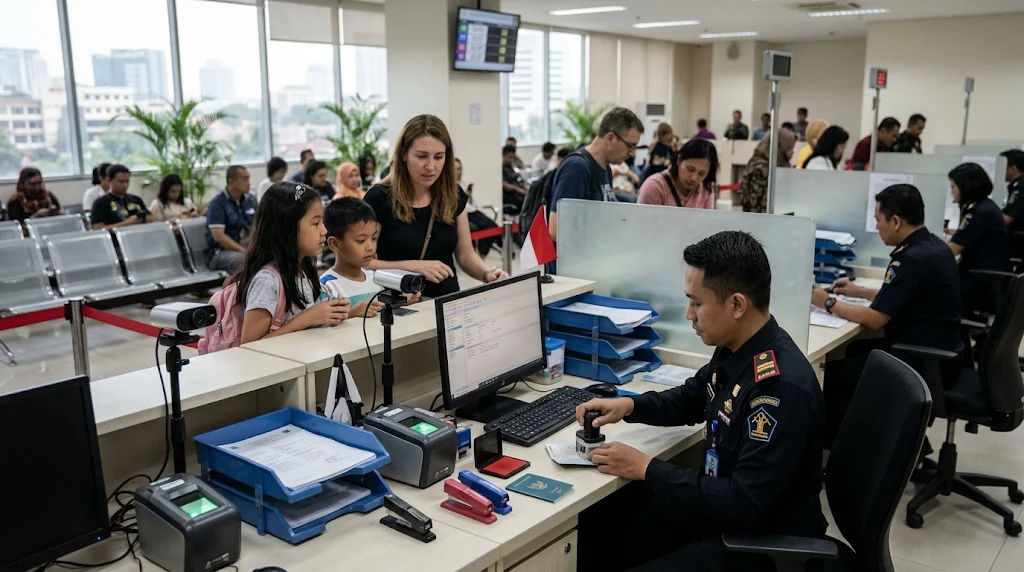
Hong Kong company formation provides entrepreneurs with an opportunity to establish a legal business presence in one of Asia's major commercial centres. Whether someone wants to operate a trading company, provide professional services, manage an international business, or establish a regional office, understanding the registration process is an important first step.
The process is generally manageable when each requirement is addressed in the correct order. From selecting a company name to receiving a Certificate of Incorporation, every stage has a specific purpose. Business owners must also understand their responsibilities after registration because maintaining a company involves ongoing filings, accounting records, tax compliance, and other legal obligations.
This comprehensive guide explains how Hong Kong company registration works, what documents are required, how long the process may take, and what business owners should consider before establishing their companies.
Hong Kong Company Registration System
Hong Kong has a well-established legal framework for registering and operating companies. The Companies Registry is the government department responsible for incorporating local companies and maintaining official company records.
Most entrepreneurs choose to establish a private company limited by shares. This structure is popular because it creates a separate legal entity and generally limits shareholders' financial responsibility to the amount they have agreed to contribute towards their shares.
Once incorporated, the company can enter into contracts, open business relationships, employ staff, acquire assets, and conduct commercial activities in its own legal name.
What Is Company Incorporation?
Company incorporation is the legal process of creating a new business entity under Hong Kong's Companies Ordinance. It gives the business an independent legal identity that is separate from its shareholders and directors.
For example, an individual may operate a business personally, but incorporating a limited company creates a separate organisation with its own legal responsibilities.
This separation can provide several advantages:
-
Limited liability for shareholders, subject to applicable legal exceptions.
-
A recognised legal identity for commercial activities.
-
Greater flexibility when bringing in business partners.
-
A formal structure for managing company ownership.
-
Opportunities to develop relationships with international clients and suppliers.
Hong Kong company formation is therefore relevant to both local entrepreneurs and international business owners who want to establish a recognised corporate presence in the region.
Which Government Department Handles Registration?
The Companies Registry handles company incorporation, statutory filings, and company information records.
The Inland Revenue Department (IRD) manages taxation and business registration matters.
Hong Kong also operates a one-stop company and business registration service. This allows applicants to submit the required incorporation documents and business registration information together rather than completing two entirely separate initial applications.
Choosing the Right Company Structure
Before beginning the registration process, entrepreneurs should decide which legal structure suits their business activities.
Different structures have different legal requirements, ownership arrangements, and administrative responsibilities.
Private Company Limited by Shares
A private company limited by shares is a common choice for small businesses, startups, consultants, trading businesses, and international entrepreneurs.
Its shareholders generally have limited liability, meaning their responsibility for company debts is limited to their unpaid share capital, subject to legal exceptions.
This structure also allows ownership to be divided into shares. New investors may become shareholders through an appropriate share issue or transfer.
Public Company
A public company may be appropriate for a larger organisation that intends to offer shares to the public, subject to relevant legal and regulatory requirements.
It has more demanding governance and reporting obligations than a typical private company.
Company Limited by Guarantee
This structure is commonly used by organisations that operate without a traditional share-capital ownership arrangement.
It may be suitable for certain associations, clubs, professional bodies, and nonprofit organisations.
The members agree to contribute a specified amount towards the company's liabilities if it is wound up.
For many ordinary commercial businesses, a private company limited by shares is a practical starting point.
Step-by-Step Hong Kong Company Registration Process
The registration process follows a logical sequence. Preparing information before submitting an application can reduce errors and unnecessary delays.
Step 1: Select a Suitable Company Name
The first step is choosing a name for the proposed company.
Applicants can select an English name, a Chinese name, or both. The name must comply with the applicable naming rules and should not conflict with existing registered names or restricted naming requirements.
A company name should also be appropriate for the intended business.
Before submitting an application, entrepreneurs should search the Companies Registry's company records to identify potential conflicts.
However, a preliminary name search does not guarantee approval. The Companies Registry confirms whether a name can be registered when processing the incorporation application.
It is also sensible to check whether the corresponding business name, website domain, and relevant trademarks are available.
Step 2: Decide the Shareholding Structure
The next step is determining who will own the company and how its shares will be distributed.
A private company limited by shares can generally be incorporated with one shareholder. The shareholder may be an individual or a corporate entity.
For example, two business partners might decide to divide ownership equally, while another business may have one person holding all the shares.
Entrepreneurs should consider:
-
The number of initial shareholders.
-
The number of shares to be issued.
-
The ownership percentage of each shareholder.
-
The rights attached to different share classes, if applicable.
-
How future investors may join the company.
Hong Kong does not prescribe a general minimum paid-up share capital for incorporation under the Companies Ordinance. However, the proposed capital should make commercial sense for the business.
Incorporation+1
Step 3: Appoint the Company Directors
Directors are responsible for managing the company's affairs and making important business decisions.
A Hong Kong private company must have at least one director who is a natural person.
There is no general requirement under the Companies Ordinance that a director must be a Hong Kong resident. This means a non-Hong Kong resident may serve as a director, provided the relevant legal requirements are satisfied.
Directors should understand their responsibilities, including acting in the company's interests, exercising reasonable care, and complying with applicable laws.
Choosing suitable directors is important because their decisions can affect the company's finances, reputation, and legal position.
Incorporation+1
Step 4: Appoint a Company Secretary
Every Hong Kong private company must have a company secretary.
The company secretary helps maintain statutory records, organise corporate documentation, and ensure that required filings are completed.
If the company secretary is an individual, that person must ordinarily reside in Hong Kong. If the secretary is a corporate entity, it must have a registered office or place of business in Hong Kong.
An important rule is that the sole director of a private company cannot also serve as its company secretary.
Businesses without an appropriate internal person may consider appointing a qualified corporate service provider.
Incorporation+1
Step 5: Arrange a Registered Office Address
A Hong Kong company must maintain a registered office within Hong Kong.
This address serves as the official location for receiving government notices, statutory communications, and legal documents.
The registered office is different from an ordinary business operating address. A company may conduct its daily operations elsewhere while maintaining a separate registered office.
Before using an address, business owners should confirm that they have permission to use it and that arrangements are suitable for receiving official correspondence.
A reliable address service can be useful for companies whose directors or shareholders live overseas.
Step 6: Prepare the Incorporation Documents
Once the basic company details have been decided, applicants must prepare the required documentation.
For a local company limited by shares, the main documents include:
-
Form NNC1, the incorporation form.
-
A copy of the company's Articles of Association.
-
Form IRBR1, the Notice to Business Registration Office.
The incorporation form contains information about the company's proposed name, registered office, share capital, shareholders, directors, and company secretary.
The Articles of Association explain the company's internal management rules, including shareholder rights and procedures for making corporate decisions.
Applicants should check every detail carefully. Incorrect information, missing signatures, or incomplete forms may result in the application being rejected or delayed.
How to register a new company?+1
Step 7: Submit the Application to the Companies Registry
After preparing the documents, the applicant submits the incorporation application to the Companies Registry.
There are two main submission methods.
Electronic registration: Applicants can use the Companies Registry's e-Services Portal to submit the required documents online. This is generally the most convenient option because it allows applications to be submitted electronically at any time.
Paper registration: Applicants can also submit physical documents to the Companies Registry. This method may take longer because the documents must be processed manually.
Electronic incorporation is not compulsory, so entrepreneurs can select the method that suits their circumstances.
Before submitting the application, applicants should confirm that the forms are complete and the prescribed government fees have been paid.
Step 8: Receive the Certificate of Incorporation
Once the Companies Registry approves the application, it issues a Certificate of Incorporation.
This certificate confirms that the company has been legally established under Hong Kong law.
For straightforward electronic applications involving private companies limited by shares, certificates are normally issued within one hour. Paper applications generally take around four working days.
The exact processing time may vary if the proposed name requires additional consideration or the Registry requests further information.
The certificate is an important corporate document and should be stored securely. Banks, business partners, professional service providers, and other organisations may request a copy when verifying the company's legal existence.
cr.gov.hk+2
Understanding Business Registration in Hong Kong
Company incorporation and business registration are closely connected, but they serve different legal purposes.
Incorporation establishes the company as a legal entity. Business registration records the business with the Inland Revenue Department and supports the administration of relevant tax obligations.
Under Hong Kong's one-stop service, a company applying for incorporation is generally treated as applying for business registration at the same time.
This means applicants can normally receive both certificates through a single application process.
What Is a Business Registration Certificate?
A Business Registration Certificate is an official document issued through the business registration system.
It contains important information about the registered business, including its registration details and validity period.
Companies should keep their certificates accessible and ensure that the relevant requirements for displaying or maintaining them are followed.
Business registration should not be confused with a licence to conduct every type of commercial activity. Certain industries require additional permissions or regulatory approvals.
For example, financial services, employment agencies, food businesses, and other regulated activities may have specific licensing requirements.
The appropriate requirements depend on the actual nature of the business.
Inland Revenue Department Hong Kong+1
How Much Does Hong Kong Company Registration Cost?
The cost of incorporating a company depends on several factors.
Government fees are one part of the total expense. Businesses may also need to pay for professional services, registered office arrangements, company secretarial support, accounting, and other administrative services.
Government Registration Fees
Applicants must pay the prescribed incorporation fee and business registration fee, including any applicable levy.
These charges can change, so entrepreneurs should check the current government fee schedule before submitting their applications.
The registration method may also affect the applicable incorporation fee.
Professional Service Fees
Some entrepreneurs manage the process themselves, while others appoint professional service providers.
Professional assistance may include:
-
Preparing incorporation documents.
-
Checking company names.
-
Arranging a registered office.
-
Appointing a company secretary.
-
Organising statutory records.
-
Providing accounting and tax support.
The total cost depends on the services selected and the complexity of the business structure.
It is sensible to request a clear breakdown of fees before agreeing to a service package.
Ongoing Business Expenses
Registration is only the beginning of a company's financial responsibilities.
After incorporation, businesses may need to budget for annual returns, accounting, auditing, tax filings, secretarial services, and business registration renewals.
Understanding these expenses in advance can help entrepreneurs avoid unexpected financial pressure.
What Happens After Company Incorporation?
Receiving the incorporation certificate does not mean that every responsibility has been completed.
A newly registered company must establish suitable administrative systems and maintain its statutory obligations.
Open a Corporate Bank Account
Many companies need a business bank account to manage payments, receive customer funds, pay suppliers, and handle operating expenses.
Banks conduct their own customer due diligence and risk assessments.
They may request:
-
Certificate of Incorporation.
-
Business Registration Certificate.
-
Articles of Association.
-
Information about directors and shareholders.
-
Identification documents.
-
Details about the company's business activities.
-
Information about the source of funds.
Approval is not automatic. Banks decide whether to establish a relationship after reviewing the application.
A company should provide accurate information and be prepared to explain its expected business transactions.
Maintain Proper Accounting Records
Companies should maintain clear financial records from the beginning of their operations.
These records may include invoices, receipts, bank statements, payroll information, contracts, and details of business expenses.
Good accounting practices help directors understand the company's financial position and prepare accurate financial statements.
They also make it easier to meet tax and audit requirements.
Understand Annual Audit Requirements
Hong Kong companies generally have financial reporting and auditing responsibilities.
A local company must ordinarily appoint an auditor, subject to applicable statutory exceptions. Private companies may qualify for certain reporting exemptions, but these should not be confused with a general exemption from audit requirements.
Businesses should obtain professional advice to understand whether any particular exemption applies to their circumstances.
File Annual Returns
A private company limited by shares must generally submit an annual return to the Companies Registry within 42 days after each anniversary of its incorporation, except during its incorporation year.
The return contains information about the company's registered office, directors, company secretary, shareholders, and other relevant particulars.
The Companies Registry currently specifies an annual registration fee of HK$105 when the return is delivered within the prescribed period. Late filing can result in significantly higher fees and potential legal penalties.
Local Private Company+1
Understanding Hong Kong Corporate Tax Responsibilities
Tax compliance is another important part of operating a registered company.
Hong Kong has a territorial profits tax system. In general, profits arising in or derived from Hong Kong from a trade, profession, or business carried on in Hong Kong may be subject to profits tax.
However, tax treatment depends on the facts and circumstances of each business.
The two-tiered profits tax system provides different rates for qualifying corporations.
For corporations, the first HK$2 million of assessable profits is generally taxed at 8.25%, while profits above that amount are generally taxed at 16.5%. Eligibility conditions and restrictions apply, particularly where connected entities are involved.
Entrepreneurs should not assume that having overseas customers automatically makes all company profits tax-free.
Businesses must examine where their operations take place, how income is generated, and the relevant evidence supporting their tax position.
Maintaining accurate financial records and submitting tax returns on time are essential responsibilities.
Can Foreign Entrepreneurs Register a Company in Hong Kong?
Hong Kong is an international business centre, and its company registration framework allows foreign entrepreneurs to establish local companies.
A non-Hong Kong resident can generally become a shareholder or director of a local private company.
However, the company must still satisfy the relevant statutory requirements, including appointing an eligible company secretary and maintaining a Hong Kong registered office.
Foreign entrepreneurs should also consider immigration and operational matters separately.
Owning shares in a Hong Kong company does not automatically grant permission to live or work in Hong Kong.
Anyone planning to relocate or undertake employment in the city should examine the applicable immigration requirements.
Important Considerations for Overseas Business Owners
International entrepreneurs should prepare a realistic business plan before incorporating.
They should consider the company's intended customers, expected transactions, operating arrangements, management responsibilities, and financial resources.
They should also understand the requirements of banks, payment providers, suppliers, and potential business partners.
Professional advice can help overseas owners understand local rules and avoid mistakes when setting up their companies.
Common Mistakes to Avoid During Company Registration
Although the registration process is relatively straightforward, applicants can make mistakes that create unnecessary delays or compliance problems.
Understanding these common issues can make the process more organised.
Choosing an Unsuitable Company Name
Some applicants select names without checking existing registrations or naming restrictions.
This can result in rejection and additional administrative work.
A preliminary name search is a sensible step before preparing the incorporation documents.
Providing Incorrect Information
Incorrect shareholder details, director information, or registered office addresses can create problems during the application process.
Applicants should verify all information before submitting their forms.
Ignoring Company Secretary Requirements
A company cannot simply operate without an eligible company secretary.
Entrepreneurs should arrange this appointment before submitting their incorporation application.
Overlooking Ongoing Compliance
Some business owners focus entirely on receiving their incorporation certificates and forget about their continuing responsibilities.
Annual returns, accounting records, tax filings, and statutory updates should be included in the company's administrative calendar.
Assuming Registration Guarantees Banking Approval
Incorporation creates a legal business entity, but it does not guarantee that a bank will approve a corporate account.
Financial institutions conduct separate reviews and may request additional documents.
Companies should prepare clear information about their ownership, activities, customers, and expected transactions.
How to Make the Registration Process Easier
Good preparation can make company incorporation more efficient.
Entrepreneurs should begin by identifying their business objectives and deciding how the company will operate.
They should then prepare the necessary information about shareholders, directors, company secretary arrangements, and registered office details.
Using the correct incorporation forms is equally important.
Businesses with complicated ownership arrangements or international operations may benefit from professional accounting or legal advice.
It is also useful to establish a compliance calendar immediately after registration. This calendar can include annual return deadlines, tax filing dates, business registration renewals, and other important responsibilities.
A well-organised company is better prepared to manage its legal obligations while concentrating on its commercial activities.
Conclusion
Hong Kong offers an established and internationally recognised environment for entrepreneurs who want to create a formal business entity. Its company registration framework provides a relatively convenient route for establishing a private limited company, while its one-stop registration service helps simplify the initial administrative process.
The process begins with selecting a suitable company name and deciding on the ownership structure. Applicants must then appoint the required directors and company secretary, arrange a registered office, prepare the incorporation documents, and submit the application to the Companies Registry.
After approval, the company receives its Certificate of Incorporation and Business Registration Certificate. These documents confirm its legal establishment and business registration status.
However, successful incorporation is only the beginning of operating a company. Business owners must also maintain accounting records, understand their tax responsibilities, meet annual filing deadlines, and comply with relevant company laws. Additional licences may also be necessary depending on the business activities.
Hong Kong company formation can provide a useful foundation for entrepreneurs interested in developing local or international business operations. Nevertheless, choosing the correct structure and understanding the associated responsibilities are essential for long-term success.
By preparing documents carefully, maintaining accurate records, and seeking professional guidance when necessary, entrepreneurs can establish their companies with greater confidence. A clear understanding of the registration process also helps business owners avoid common mistakes and build a reliable foundation for future growth.