Choosing the right cookware is an important decision for anyone who enjoys cooking at home. Good cookware makes everyday meal preparation easier, improves cooking results, and can last for many years with proper care. Among the different cookware options available, stainless steel is popular because of its durability, versatility, and attractive appearance. However, not every pan offers the same quality, performance, or convenience. Understanding what to look for before purchasing can help you make a better decision.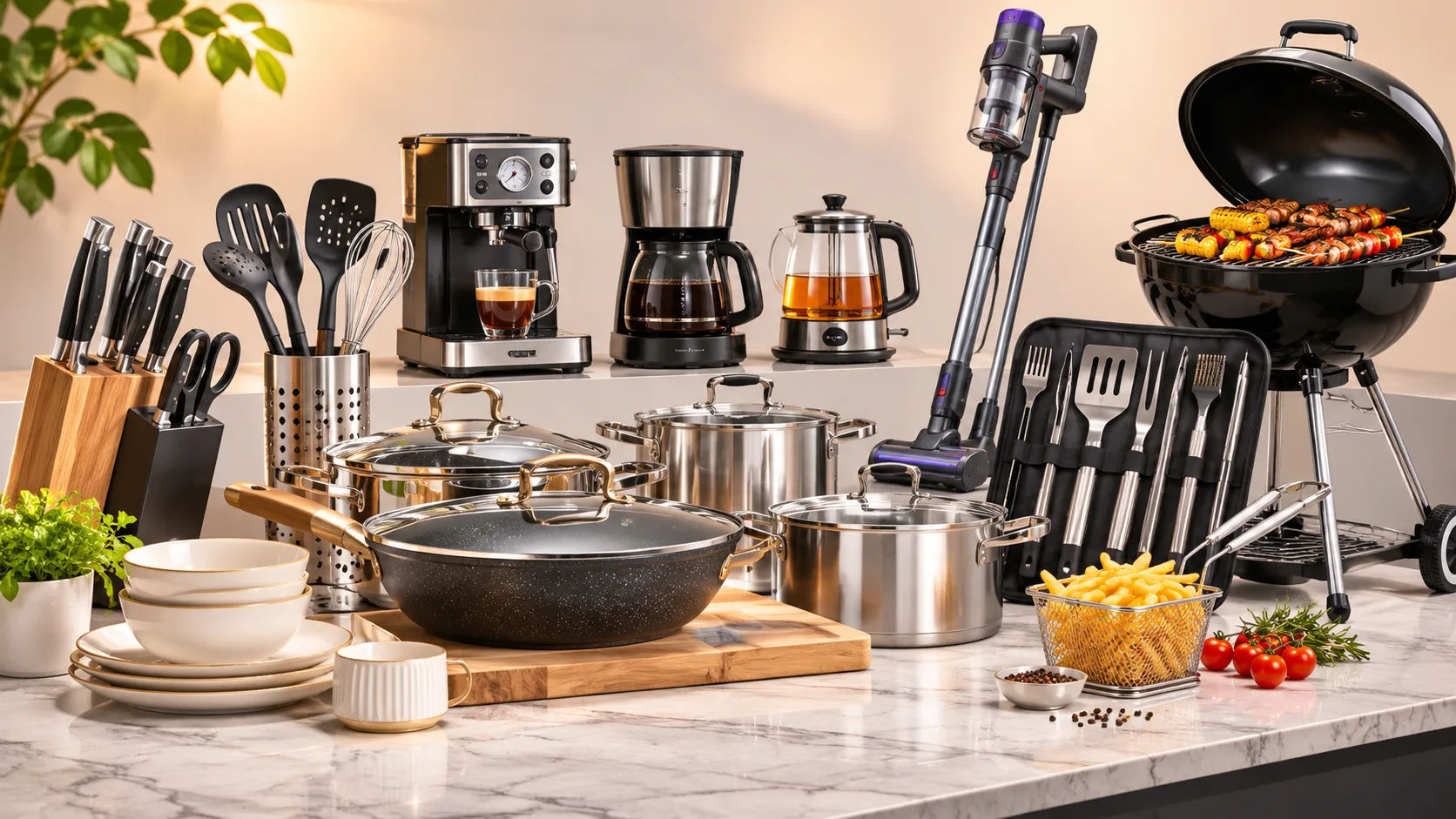
Stainless steel pans are available in different sizes, shapes, construction styles, and price ranges. Some are designed for everyday cooking, while others are made for professional techniques that require precise temperature control. Choosing the right option depends on your cooking habits, kitchen equipment, budget, and personal preferences.
Whether you are purchasing your first stainless steel pan or upgrading your existing cookware collection, it is important to understand the features that influence performance. From material quality and heat distribution to handle design and maintenance requirements, several factors deserve attention.
This comprehensive guide explains how to evaluate cookware, compare different construction types, identify useful features, and select a pan that suits your kitchen. By understanding these considerations, you can invest in cookware that provides reliable performance and makes cooking more enjoyable.
Benefits of Stainless Steel Cookware
Before purchasing cookware, it helps to understand why stainless steel is such a popular material. Its combination of strength, versatility, and relatively simple maintenance makes it suitable for many cooking styles.
Excellent Durability
One of the biggest advantages of stainless steel is its ability to withstand regular kitchen use. High-quality cookware can resist rust, corrosion, and everyday wear when properly maintained.
Unlike some delicate cookware materials, stainless steel does not easily chip or peel during normal use. This makes it a practical investment for busy households.
A well-constructed pan can remain useful for many years, even when used frequently.
Versatile Cooking Performance
Stainless steel works well for several cooking techniques, including frying, sautéing, searing, browning, and simmering.
It is especially useful when preparing foods that benefit from developing a browned surface. For example, chicken, vegetables, and meat can develop appealing flavours when cooked at an appropriate temperature.
This versatility makes stainless steel suitable for beginners and experienced home cooks.
Easy Maintenance
Most stainless steel cookware is relatively easy to clean. Food residue can usually be removed with warm water, dish soap, and a non-abrasive sponge.
Many products are also dishwasher-safe, although checking the manufacturer's instructions is important.
2. Check the Quality of Stainless Steel
Material quality is one of the most important considerations when choosing cookware. Different stainless steel grades offer different levels of corrosion resistance, durability, and performance.
Look for 18/10 Stainless Steel
An 18/10 stainless steel designation generally means the material contains approximately 18% chromium and 10% nickel.
Chromium helps protect the surface against corrosion, while nickel contributes to durability and resistance to rust.
This grade is commonly used in quality cookware because it offers a good combination of strength and appearance.
Another common option is 18/8 stainless steel, which contains approximately 18% chromium and 8% nickel. It also provides good corrosion resistance.
Understand 18/0 Stainless Steel
18/0 stainless steel contains approximately 18% chromium and little or no nickel.
It is often less expensive than nickel-containing stainless steel. It can also be magnetic, which may make it useful in certain induction-compatible constructions.
However, the overall performance of a pan depends on more than its stainless steel grade.
Pay attention to the thickness, construction, and quality of the base before making a purchase.
3. Choose the Right Pan Construction
Construction has a major influence on how cookware heats and performs. A beautiful pan may still produce disappointing results if its base is poorly designed.
Single-Layer Construction
Single-layer cookware is generally made from one main layer of stainless steel.
These products are often affordable and lightweight. However, stainless steel alone is not an excellent conductor of heat.
As a result, basic single-layer pans may develop hot spots, causing some areas to become hotter than others.
They can be suitable for simple cooking tasks, but they may not provide the most consistent results.
Tri-Ply Construction
Tri-ply cookware uses three bonded layers of metal.
A common arrangement includes stainless steel on the cooking surface, an aluminium core, and another stainless steel exterior layer.
Aluminium helps distribute heat more evenly, while stainless steel provides durability and a cooking surface that is easy to maintain.
Tri-ply construction is a popular choice for everyday cooking because it offers a useful balance between performance, durability, and price.
Five-Ply Construction
Five-ply cookware uses five bonded layers of metal, often combining stainless steel with aluminium or other conductive materials.
Depending on its design, it can provide excellent heat distribution and stability.
However, additional layers do not automatically guarantee better performance. The quality of the materials and bonding process matters just as much.
For most home kitchens, good tri-ply cookware is already a reliable option.
4. Select the Appropriate Pan Size
Pan size should match the amount of food you usually prepare. Purchasing cookware that is too small or too large can make everyday cooking inconvenient.
Small Pans for Individual Meals
Small pans, usually around 8 inches, are useful for preparing eggs, heating small portions, cooking single servings, and making quick sauces.
They take up less storage space and are convenient for households with limited cooking requirements.
Medium Pans for Everyday Cooking
A 10-inch pan is a versatile option for many households.
It provides enough cooking space for vegetables, chicken portions, omelettes, and other everyday meals.
If you want one pan for several different cooking tasks, this size is worth considering.
Large Pans for Family Meals
A 12-inch pan provides additional cooking space.
It is useful when preparing meals for several people, searing larger pieces of meat, or cooking multiple ingredients together.
However, larger cookware requires more storage space and may be heavier to handle.
Consider Your Kitchen Space
Before purchasing, measure your available storage area.
Also consider the size of your stovetop burners. A pan that is significantly larger than the heating area may not distribute heat as effectively, depending on its construction and the cooking surface.
5. Examine the Bottom and Base Design
The base of a pan plays an important role in heating performance. A well-designed base helps distribute heat and supports consistent cooking.
Look for a Thick Base
A thicker base generally provides better resistance to warping and can help maintain more stable heating.
Very thin cookware may heat quickly but can create uneven cooking conditions.
A strong base is particularly useful when preparing foods that require controlled temperatures.
Choose a Fully Clad Design
Fully clad cookware has bonded metal layers extending from the base up the sides.
This construction allows heat to travel more evenly throughout the pan.
It is particularly useful for sautéing, reducing sauces, and preparing dishes where ingredients come into contact with different parts of the cooking surface.
Avoid Poorly Attached Bottom Layers
Some cookware features a separate aluminium or copper disc attached to the bottom.
This design can still work well, especially for basic cooking. However, examine the quality of the attachment.
A poorly constructed base may separate or become damaged after repeated heating and cooling.
6. Consider Your Cooking Style
Your regular cooking habits should influence the type of pan you purchase.
Different designs are better suited to different cooking techniques.
For Frying and Searing
If you frequently prepare steaks, chicken, fish, or vegetables, choose a pan with a flat cooking surface and good heat distribution.
A stainless steel frying pan with a comfortable handle is particularly useful for these tasks.
Proper preheating and temperature control will help you achieve better browning.
For Sautéing
Sautéing requires enough surface area to move ingredients comfortably.
A pan with slightly sloped sides can make tossing and stirring easier.
Consider a medium or large size depending on how many people you cook for.
For Preparing Sauces
Sauces often require careful temperature management.
A pan with a thick base and well-distributed heat can help prevent ingredients from sticking or scorching.
A smaller saucepan is particularly useful for preparing gravies, cream sauces, and reductions.
For Everyday Cooking
If you want a multipurpose option, select a medium-sized stainless steel frying pan.
It should be comfortable to lift, easy to clean, and suitable for your preferred cooking methods.
7. Evaluate Handle Design and Comfort
Handles are sometimes overlooked, but they have a direct influence on convenience and safety.
A poorly designed handle can make even a high-quality pan uncomfortable to use.
Look for Heat-Resistant Handles
Stainless steel handles are durable and commonly used in quality cookware.
However, they can become hot depending on the pan's construction, cooking duration, and heat source.
Choose a handle that provides a comfortable grip and follow the manufacturer's guidance about using protective gloves.
Check Handle Attachment
Handles should be securely attached to the pan.
Riveted handles are common because they provide a strong connection.
Inspect the attachment points before purchasing. Loose or poorly finished connections can affect safety and long-term reliability.
Consider Handle Length
A longer handle provides better leverage and helps keep your hands away from the cooking surface.
However, very long handles can make storage difficult.
Choose a design that balances control, comfort, and available kitchen space.
8. Check Compatibility With Your Stove
Not every pan works equally well with every cooking surface.
Before purchasing, make sure the cookware is compatible with your stove.
Gas Stoves
Stainless steel cookware generally works well with gas burners.
A flat, sturdy base helps distribute heat and provides stability over the flame.
Avoid allowing flames to extend excessively around the sides of the pan.
Electric Stoves
Electric cooktops work best with cookware that has a flat and stable bottom.
A warped base can reduce contact with the heating element and create uneven cooking.
Induction Cooktops
Induction cooking requires magnetic cookware.
Some stainless steel products are induction-compatible, while others are not.
Check the product specifications for an induction symbol or manufacturer's confirmation.
You can also test the base using a magnet. If the magnet sticks firmly, the cookware is generally suitable for induction, although manufacturer confirmation is still recommended.
9. Understand Weight and Thickness
Weight is another important factor when comparing cookware.
A heavier pan may feel more substantial and can provide better stability during cooking.
However, excessive weight can make lifting, pouring, and cleaning difficult.
Balance Durability With Convenience
Thicker cookware often provides better resistance to warping and may support more consistent heating.
However, it can take longer to heat and may be difficult for some people to handle.
Lightweight cookware is easier to move but may not offer the same level of stability.
Consider your physical comfort and cooking habits before selecting a particular design.
Test the Balance
If possible, hold the pan before buying it.
Check whether the handle feels comfortable and whether the pan remains balanced when lifted.
A well-balanced design makes cooking easier, especially when transferring food from the stove to a serving dish.
10. Compare Different Types of Stainless Steel Pans
stainless steel pans comes in several designs, each serving a different purpose.
Understanding these differences can help you build a practical kitchen collection.
Stockpots are deeper and larger than ordinary saucepans.
They are useful for preparing soups, broths, pasta, and large family meals.
If you frequently cook in larger quantities, investing in a good stockpot can make meal preparation easier.
11. Check the Lid Quality
A lid helps retain moisture and heat while cooking.
Some pans come with stainless steel lids, while others include tempered glass lids.
Stainless Steel Lids
Stainless steel lids are durable and can withstand regular kitchen use.
They do not provide a clear view of the food, but they are a practical option for long-term use.
Glass Lids
Glass lids allow you to monitor cooking without repeatedly lifting the lid.
This helps reduce heat and moisture loss.
However, glass can break if dropped or exposed to sudden temperature changes.
Check whether the lid has a comfortable handle and fits securely.
12. Consider the Budget and Overall Value
Price is an important part of choosing cookware, but the cheapest option is not always the most economical.
A low-priced pan may have thin construction, uneven heating, or poorly designed handles.
On the other hand, expensive cookware is not automatically the best choice for every kitchen.
Set a Practical Budget
Decide how much you are comfortable spending before shopping.
Compare products within your budget and examine their construction, material quality, warranty, and overall design.
A well-made individual pan may provide more value than purchasing a large cookware set containing pieces you rarely use.
Evaluate Long-Term Value
Consider how frequently you will use the pan.
A durable product that performs consistently can provide better long-term value than a cheaper alternative that needs replacing quickly.
Also check the warranty because it may provide information about the manufacturer's confidence in the product.
13. Understand Proper Cleaning and Maintenance
Good maintenance helps preserve the appearance and performance of cookware.
Although stainless steel is durable, incorrect cleaning practices can cause discoloration, scratches, and stubborn food residue.
Clean After Every Use
Allow the pan to cool slightly before washing.
Use warm water, ordinary dish soap, and a soft sponge to remove food particles and grease.
Avoid pouring cold water into extremely hot cookware because sudden temperature changes may cause warping.
Remove Stubborn Food Residue
If food becomes stuck, add warm water and allow the pan to soak.
For more difficult residue, simmer a small amount of water in the pan to loosen the remaining food.
A suitable non-abrasive stainless steel cleaner can also help restore the surface.
Prevent Water Spots
After washing, dry the cookware with a soft towel.
This reduces the appearance of water spots and helps maintain its polished finish.
Avoid Unnecessary Scratching
Steel wool and harsh abrasive materials can leave visible scratches.
Use cleaning products recommended by the manufacturer.
Remember that minor surface marks are generally normal and do not necessarily affect cooking performance.
14. Avoid Common Buying Mistakes
Even careful shoppers can make mistakes when choosing cookware.
Understanding these common problems can help you avoid an unsuitable purchase.
Choosing Based Only on Appearance
A shiny exterior may look attractive, but appearance does not determine cooking performance.
Always examine the construction, base thickness, material quality, and handle design.
Ignoring Induction Compatibility
If you own an induction cooktop, do not assume every stainless steel pan will work with it.
Check the product specifications before purchasing.
Buying the Wrong Size
A very small pan may limit your cooking options, while an oversized pan may waste storage space.
Consider your household size and typical meal portions.
Ignoring Product Quality
Check the manufacturer's information, construction details, and warranty.
If possible, inspect the pan physically before making a decision.
Purchasing More Than You Need
A large cookware set may appear economical, but unnecessary pieces can occupy valuable storage space.
Start with the cookware you will use regularly and expand your collection when needed.
15. A Practical Checklist Before Purchasing
Before choosing your cookware, review the following features:
-
Material: Look for quality stainless steel with good corrosion resistance.
-
Construction: Consider tri-ply or another well-designed layered construction.
-
Size: Choose according to your regular cooking requirements.
-
Base: Look for a flat, sturdy, and well-constructed bottom.
-
Handle: Check comfort, balance, and secure attachment.
-
Compatibility: Confirm that the pan works with your stove.
-
Weight: Make sure it is comfortable to lift and handle.
-
Lid: Check whether a suitable lid is included.
-
Maintenance: Review cleaning instructions and dishwasher compatibility.
-
Warranty: Consider the manufacturer's coverage and product support.
This checklist makes it easier to compare different products without focusing only on price or appearance.
Conclusion
Choosing the right cookware requires more than selecting an attractive product from a store shelf. You need to consider material quality, construction, size, heating performance, handle design, stove compatibility, and maintenance requirements. Each feature contributes to the overall cooking experience and determines whether the pan will meet your everyday needs.
Stainless steel pans are a practical investment because they offer durability, versatility, and reliable performance across many cooking techniques. However, selecting the right construction is essential. Tri-ply cookware is an excellent starting point for many households because it combines stainless steel durability with the improved heat distribution of an aluminium core. Fully clad construction can also be valuable for people who want consistent heating throughout the pan.
Think carefully about your cooking habits before making a purchase. If you prepare individual meals, a small frying pan may be sufficient. Families may benefit from larger cookware, while people who regularly prepare sauces, soups, and one-pan meals may need additional designs.
Do not ignore comfort and safety. A balanced pan with a secure handle, suitable weight, and compatible base can make everyday cooking easier. Similarly, choosing the correct size prevents unnecessary storage problems and provides enough room for ingredients to cook properly.
Budget should also influence your decision, but quality deserves equal attention. Instead of purchasing the most expensive product or the largest cookware set, focus on finding something that offers the features you genuinely need. Check the manufacturer's specifications, examine the construction, and compare available warranties before deciding.
Finally, remember that proper maintenance helps extend cookware life. Clean your pans carefully, avoid sudden temperature changes, remove stubborn food residue correctly, and follow the manufacturer's instructions.
By considering these factors, you can confidently choose cookware that suits your kitchen, supports your cooking style, and provides dependable performance for years. A carefully selected pan is not simply another kitchen accessory; it is a useful investment that can make preparing everyday meals more convenient, enjoyable, and efficient.